Trail-Tested Summer Hiking Outfits That Keep You Cool, Safe & Stylish
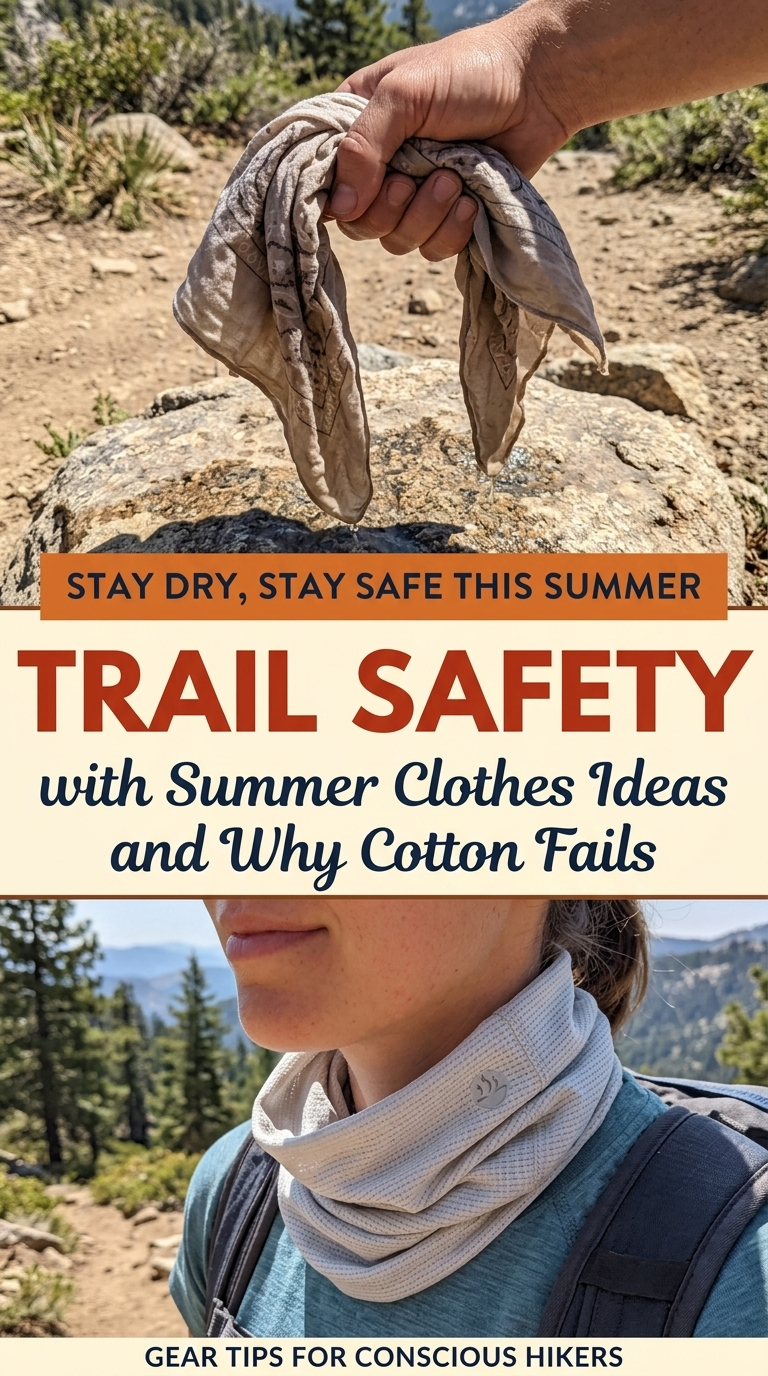
Your Summer Hiking Wardrobe Needs a Serious Upgrade
You know that feeling. The sun is beaming, the trail is calling, but just a few miles in, your cute summer tank top is drenched, your shorts are riding up, and that "light" cotton fabric feels like a wet blanket. Suddenly, that gorgeous hike becomes a battle against discomfort. It's not just about looking cute on the trail (though we love that too!). It's about safety. Overheating, chafing that turns every step into a wince, and inadequate sun protection can turn a dream day into a risky one.
But here's the good news: with the right clothing system, you can stay cool, dry, protected, and yes—incredibly stylish—from trailhead to summit. Let's ditch the guesswork and build outfits that work as hard as you do.
Your Trail-Ready Toolkit: Materials & Tools
Before we dive into the outfits, let's talk gear. You don't need a closet overhaul. Think of these as your building blocks for endless, safe combinations.
- Moisture-Wicking Base Layer Top: Look for terms like "quick-dry" or "performance." A light-colored, long-sleeved version is a sun-protection powerhouse.
- Breathable, Quick-Dry Hiking Shorts or Pants: Prioritize fabric with stretch and ventilation. Length is a personal choice, but consider brush protection.
- Supportive, Moisture-Wicking Socks: This is non-negotiable. Blisters are the enemy. Merino wool or synthetic blends are heroes.
- Wide-Brimmed Hat & UV-Blocking Sunglasses: Your first line of defense against sun fatigue and glare.
- Lightweight, Wind-Resistant Layer: A simple packable jacket for surprise weather or windy peaks.
- Chafing Relief Stick or Balm: A tiny lifesaver for thighs, underarms, and straps.
The Core Layering Formula for Summer Trails
Forget bulky layers. Summer hiking is about smart, strategic pieces that you can add or shed in seconds. This three-part system is your new best friend.
1. The Base Layer: Your Second Skin
This layer touches your skin, so its job is to pull sweat away fast. A light, long-sleeved top in a pale color does double duty: it wicks moisture and shields your arms from UV rays without feeling heavy. If you prefer a tank, just be extra diligent with sunscreen. The key is the fabric—avoid cotton at all costs.
2. The Core Layer: Movement & Protection
This is your shorts or pants. You want freedom of movement, durability against brush, and that magical quick-dry ability. Many hiking shorts now come with built-in, breathable liners that feel like wearing super-light leggings, eliminating the need for separate underwear and reducing bulk.
3. The Shell Layer: Your Just-In-Case Hero
Stash a feather-light windbreaker or rain shell in your pack. Mountain weather is fickle. A sudden breeze at a viewpoint or a quick rain shower is no match for this simple layer. It takes up minimal space but offers maximum peace of mind.
DIY Project: Transform a Basic Tee into a Trail-Top
Have a regular synthetic workout tee that's just okay? Let's give it a trail-ready upgrade with a simple ventilation and style hack. This is perfect for beating heat on steep climbs.
What You'll Need: A synthetic performance t-shirt, sharp fabric scissors, a ruler or measuring tape, and a lighter (to seal the edges of certain fabrics).
The Simple Steps:
- Lay the shirt flat. On the back, about 2 inches below the collar, mark a small horizontal line, about 4 inches wide.
- Carefully cut along this line. This creates a keyhole vent that allows hot air to escape.
- If your fabric frays, quickly and carefully run the flame of the lighter near the cut edge (don't let it touch) to melt the fibers slightly and seal it.
- For extra style, you can make small, vertical cuts along the bottom hem to create a subtle ragged look that adds airflow.
Voilà! You've just created a custom, ventilated top that increases airflow right where you need it most. Pair it with high-waisted shorts to show a peek of skin safely.
🎥 Watch a Similar Tutorial on YouTubePutting It All Together: 3 Can't-Fail Outfit Combos
Let's move from theory to reality. Here are three head-to-toe looks for different types of summer adventures.
Combo 1: The Sunrise Summit Chase
Ideal for cooler morning starts with big elevation gain. A long-sleeved merino wool or synthetic base layer, paired with convertible hiking pants (zip off the legs if you get hot!). Top with your packable shell, a brimmed hat, and moisture-wicking socks. You start warm, shed layers as the sun climbs, and are prepared for wind at the top.
Combo 2: The Forested Trail Wander
Perfect for shaded, wooded paths. A breathable tank or short-sleeved tee under a super-light, long-sleeved sun shirt (for bug and brush protection). Pair with above-the-knee hiking shorts with a built-in liner and a ventilated hat. It's all about lightweight, layered sun protection.
Combo 3: The Rock Scramble & Vista Day
For technical terrain and full sun exposure. Durable, stretchy hiking leggings or capris protect your legs from scrapes. A ventilated, UPF-rated long-sleeve top, fingerless sun gloves, and a sturdy baseball cap or visor keep you shielded. The focus here is on abrasion resistance and full coverage without overheating.
The Final Checklist Before You Hit the Trail
- Fabric Check: Is anything 100% cotton? Swap it out.
- Fit Check: Are clothes snug but not restrictive? Avoid baggy fabrics that can rub.
- Sun Check: Are all skin areas covered, either by fabric or a thick layer of sweat-resistant sunscreen?
- Chafe Check: Applied balm to known trouble spots (inner thighs, bra line, backpack straps)?
- Pack Check: Is your extra layer, hat, and a spare pair of socks in your bag?
Remember, the best hiking outfit is the one you forget you're wearing. It lets you focus on the crunch of gravel underfoot, the smell of pine, and the incredible view waiting around the bend. With these tips, your next summer adventure will be defined by the beauty of the trail, not by wardrobe woes. Now, go grab your gear—your favorite path is waiting.
